When I was diagnosed with stage 4 colorectal cancer, I did what a lot of people do — I went down the research rabbit hole. And somewhere between the PubMed abstracts and the late-night forum threads, I stumbled onto a world my oncologist had never mentioned: off-label medications for cancer.
I’m going to be straight with you about where I land on this, because I don’t think hedging helps anyone: I believe these gave me an edge. Not a replacement for chemo — nothing replaces chemo — but a real, meaningful complement to it. Combined with a targeted supplement protocol, I think they helped my body tolerate treatment better, and I think they helped chemo do more of what it was supposed to do. I can’t hand you a randomized controlled trial proving that. What I can tell you is that my bloodwork stayed close to normal through six months of aggressive chemo, my oncologist repeatedly told me he’d never seen a stage 4 patient handle treatment like I did, and I don’t think that happened by accident.
What Are Off-Label and Repurposed Drugs?
An off-label medication is a drug that’s FDA-approved for one condition but used for another. This isn’t fringe medicine — it’s incredibly common. Doctors prescribe drugs off-label every day. Your oncologist has almost certainly done it.
Repurposed drugs for cancer treatment take this a step further: researchers have identified existing, often cheap medications — originally developed for completely different conditions — that show anticancer or supportive properties in lab studies, animal models, and sometimes real clinical trials. We’re talking about drugs that have been safely used by millions of people for decades, with known safety profiles, that are now being studied for a second use.
One Thing I Need to Be Clear About
Because this topic attracts more nonsense than almost any other corner of cancer research, I want to say this plainly: nothing in this post is a claim that a cheap pill cures cancer. You’ve probably seen those claims — a dewormer, a supplement, some “thing doctors don’t want you to know about” — promising a cure. That framing is false, it’s dangerous, and I’ve watched it hurt people desperate enough to believe it and delay real treatment because of it. What I’m talking about is different: supportive, adjunct use, alongside standard treatment, discussed with my own doctors, based on real (if often early-stage) research. That distinction matters, and I’d rather over-explain it than have anyone read this the wrong way.
Why Your Oncologist Probably Hasn’t Brought This Up
These drugs exist in peer-reviewed literature. The data is real, even when it’s early. So why the silence from most oncologists?
No financial incentive. Most repurposed drugs are generic. No pharmaceutical company is going to fund a massive trial for a drug it can’t patent, so the “gold standard” evidence oncologists want before formally recommending something rarely gets built.
Liability. Recommending something outside standard-of-care guidelines carries real professional risk for a doctor, even when the underlying data looks promising.
Time. Oncologists are managing huge patient loads. Tracking repurposed-drug research on top of everything else isn’t realistic for most of them.
I don’t blame my doctors for this gap. But it is a gap, and I think patients who fill it — with their doctors, not around them — are giving themselves a real advantage.
What I Actually Used, and Why I Believe In Them
I’m not going to list dosages — that’s genuinely a conversation for you and your own doctor, since it depends on your other medications, your labs, and your specific cancer. This also isn’t the complete list of everything I tried — it’s the handful with the most evidence behind them and the most worth bringing to your own doctor. The full rundown, every supplement and adjunct included, is going in the book. But here’s what I researched, brought to my doctors, and in most cases ended up using alongside chemo:
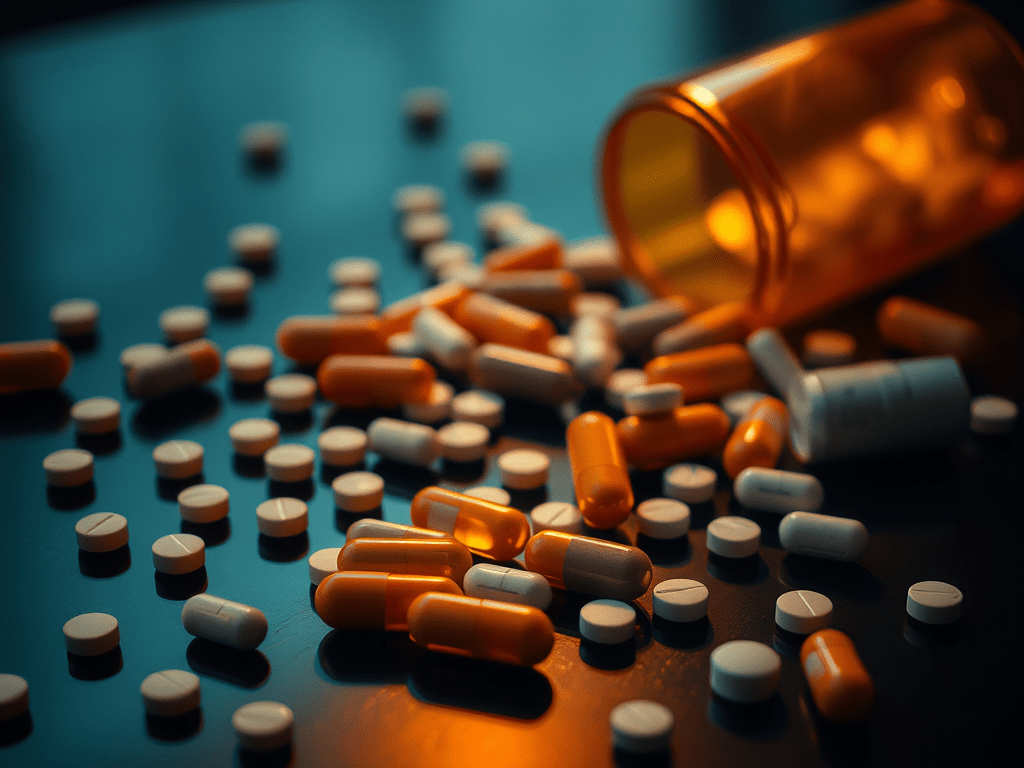
- Metformin — a diabetes drug with a substantial body of epidemiological data linking it to lower cancer incidence and, in some studies, better outcomes in patients who already have cancer. This was one I felt good about.
- Statins — originally for cholesterol, with a growing research base on anticancer and anti-inflammatory effects. I was already a candidate for one on cardiovascular grounds, which made the decision easier.
- Aspirin / NSAIDs — there’s real, specific evidence around colorectal cancer here, more than for most other repurposed drugs on this list.
- Cimetidine — a common heartburn medication with research suggesting immune-modulating effects relevant to some cancers.
I also came across mebendazole, an antiparasitic (dewormer) with preclinical anti-tumor signal in lab and animal studies. I want to be extra direct about this one, given how it’s misused online to sell people false hope: that evidence is preclinical, it does not show mebendazole treats cancer in humans, and I’m not telling anyone to take it. I mention it only because it’s part of the honest record of what I read and asked my doctors about.
Alongside these, I built a supplement protocol targeted to my own genetics and labs — not a generic multivitamin regimen, but specific things chosen because they addressed something real in my bloodwork or my genetic profile. That protocol is a big part of why I believe I tolerated treatment as well as I did.
Self-Advocacy Is Not Optional
If there’s one thing cancer taught me, it’s that nobody will advocate for you the way you will. Your oncologist’s job is to give you the standard of care, and that’s exactly what you want them focused on. Going beyond that — researching what else might help, bringing it to them, pushing for a real conversation instead of a dismissal — that’s on you.
Read the studies. Ask questions. Bring information to your appointments, every time. Find a doctor who will engage with you rather than wave you off. I bring everything to my doctors, and the good ones have been receptive because I show my work and respect what they know that I don’t.
I built a ranked list of every repurposed medication and supplement I researched, organized by strength of evidence, in The CRC Roadmap. It’s still being written — if you want the full breakdown when it’s out, what I took, what I passed on, and why, the newsletter is the easiest way to know the moment it drops.
Your treatment plan shouldn’t end where your oncologist’s protocol does. I think this category of medicine — old, cheap, well-understood drugs used in a new way, alongside real treatment — is genuinely worth exploring. It gave me something. I believe that, and I’d rather say so plainly than bury it under so many disclaimers that the point gets lost.
— Aaron M.
Keep reading:
- FOLFOX Chemotherapy: What It Actually Feels Like
- Chemo Neuropathy: What It Actually Feels Like
- CEA Levels: What Your Number Actually Means
I’m not a doctor — this is one patient’s experience and belief, not medical advice. Always talk to your own oncologist or care team before starting or changing any medication or supplement.


Leave a Reply