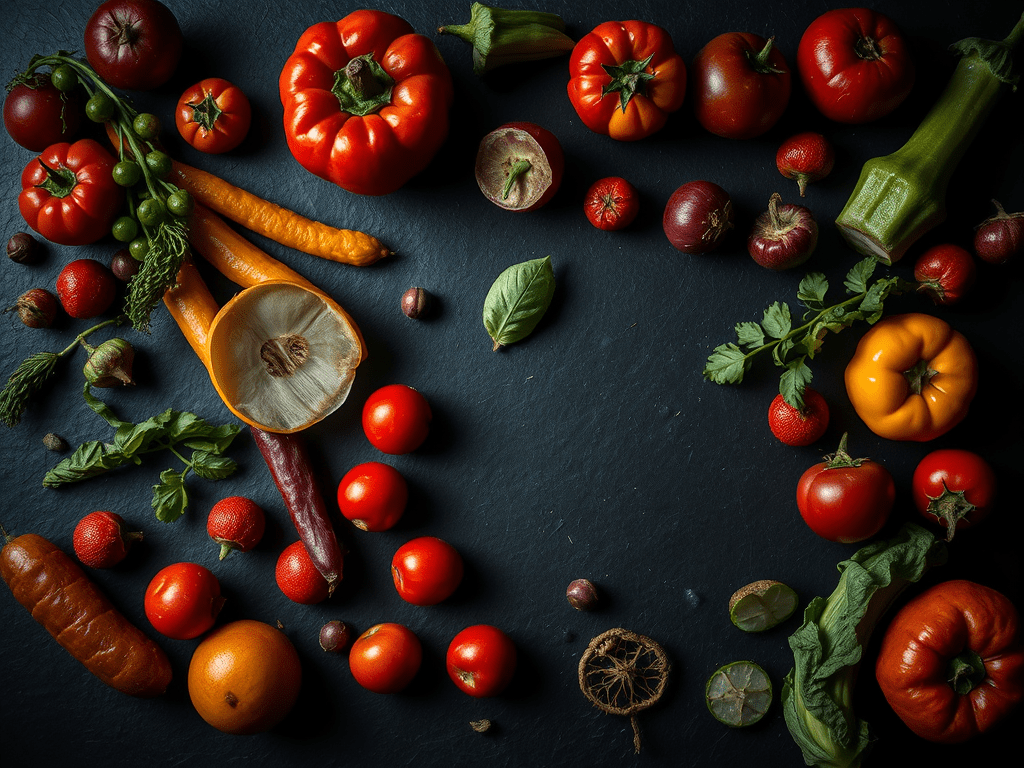
If you search “what to eat during chemotherapy,” you’ll find beautifully photographed smoothie bowls, detailed anti-inflammatory meal plans, and advice to eat plenty of leafy greens and wild-caught salmon. That’s nice. During my worst infusion weeks, I ate saltine crackers and applesauce and considered it a win.
Here’s what eating during chemo actually looked like for me — no Instagram filters.
Everything Tastes Wrong
One of the first things FOLFOX (a common CRC chemo regimen) did to me was wreck my sense of taste. Metallic mouth is real. Water tasted like pennies. Foods I’d loved my entire life suddenly tasted like chemicals or cardboard or nothing at all. Coffee — my lifelong constant — became undrinkable for weeks at a time.
This isn’t just annoying. When food tastes bad, you stop eating. When you stop eating, you lose weight, lose energy, and your body has less to work with while it’s trying to heal. Maintaining caloric intake during treatment matters more than eating “clean.”
My oncologist was blunt about this: “Right now, the best food is the food you’ll actually eat.”
What I Actually Ate
Weeks 1-2 after infusion (the rough stretch):
- Saltine crackers — bland enough to stay neutral
- Applesauce — cold, smooth, no chewing required
- Plain rice — sometimes with a little butter and salt
- Scrambled eggs — soft, mild, easy protein
- Popsicles — helped with mouth sores and hydration
- Chicken broth — warm, salty, and I could sip it slowly
- Bananas — one of the few fruits that didn’t taste metallic
- Ginger ale — flat, at room temperature, for nausea
Weeks 3-4 (when taste started coming back):
- Actual meals, slowly. Pasta with simple sauce. Grilled chicken. Baked potatoes.
- Whatever sounded even remotely appealing, I went for it immediately before the craving disappeared.
I ate a lot of beige food. It wasn’t varied. It wasn’t photogenic. But it kept calories coming in and kept my weight relatively stable, and that was the goal.
The Nausea Factor
Anti-nausea meds (ondansetron was my baseline, with others added as needed) helped enormously, but they didn’t eliminate nausea entirely. I learned a few things through trial and error:
Small amounts, frequently. Three big meals a day wasn’t realistic. Six small ones was more manageable. An empty stomach actually made the nausea worse for me.
Cold over hot. Hot food has stronger smells, and smells were a trigger. Cold or room-temperature food was easier to tolerate. A cold sandwich beat a hot plate of anything.
Avoid your favorites. This sounds counterintuitive, but I deliberately avoided foods I loved during the worst days. If you eat your favorite meal while nauseated, your brain can permanently associate that food with feeling sick. I sacrificed crackers and broth to the chemo gods so I could keep pizza and tacos for later.
Plastic utensils. Metal silverware made the metallic taste worse. Switching to plastic forks and spoons actually helped. Weird, but true — and commonly recommended by oncology dietitians.
Hydration Was Harder Than Eating
Drinking enough water was a constant battle. Plain water tasted awful. I survived on:
- Water with lemon or cucumber (masked the metallic taste)
- Coconut water (electrolytes without the artificial taste of sports drinks)
- Herbal tea, lukewarm
- Popsicles (double duty — hydration and calories)
Dehydration during chemo can land you in the ER for IV fluids. I went once. After that, I tracked my intake obsessively.
What I’d Tell Someone Starting Chemo
Throw out your expectations about eating well during treatment. You’re not going to be making quinoa bowls. You might eat the same three foods for two weeks straight. That’s fine.
Stock your kitchen before infusion days. Buy the bland stuff in bulk. Keep popsicles in the freezer. Have broth on hand. Don’t wait until you feel terrible to figure out what you can tolerate.
If you’re losing weight rapidly or can’t keep anything down for more than a day, call your oncology team. They can adjust anti-nausea meds, prescribe appetite stimulants, or refer you to a dietitian who specializes in oncology nutrition.
And give yourself a break. You’re not failing at cancer because you ate mac and cheese from a box for dinner. You’re fueling a body that’s fighting. Whatever gets calories in counts.
Keep reading:
- FOLFOX Chemotherapy: What It Actually Feels Like
- Off-Label Medications for Cancer
- Chemo Brain Is Real
Keep reading:
 The CRC Roadmap
Leave a comment